Plastic Surgery Courses
Plastic surgery training courses in Korea offer specialized education for surgeons seeking advanced skills in aesthetic and reconstructive procedures. These programs focus on core disciplines such as oculoplastic surgery, rhinoplasty, and facial bone contouring, covering patient evaluation, surgical planning, operative techniques, and postoperative care. Participants gain real-world exposure through live surgery observation and structured hands-on training within high-volume clinical settings. The curriculum also addresses complication prevention, revision strategies, and achieving natural, proportion-balanced outcomes. Graduates are equipped with the practical knowledge and clinical confidence to perform advanced plastic surgery procedures aligned with global standards.
| Training Program Overview | |
|---|---|
| Program Name | ID Plastic Surgery Education Program |
| Core Specialties | Oculoplastic Surgery · Rhinoplasty · Facial Bone Contouring |
| Program Objective | Advanced, immersive surgical training providing real-time exposure to high-volume and complex plastic surgery cases within an active tertiary surgical center. |
| Daily Training Structure | Morning Case Briefing → Live Surgery Observation or Focused Lectures → Guided Observation → Interactive Q&A Sessions |
| Educational Approach | Integrated learning combining operative case review, structured academic lectures, and real-time surgical observation within the operating room. |
| Oculoplastic Surgery Module | Non-Incisional & Incisional Upper Blepharoplasty · Ptosis Correction ·
Lower Blepharoplasty · Transconjunctival Approach ·
Medial & Lateral Canthoplasty · CPF Plication · Lower Eyelid Repositioning Periorbital Anatomy Aesthetic Design Complication Prevention |
| Rhinoplasty Module | Augmentation & Reduction Rhinoplasty · Deviation Correction ·
Nasal Airway Improvement · Tip-Plasty Techniques ·
Alar Base Reduction · Cartilage Grafting · ANS Augmentation ·
Implant-Assisted Dorsal Augmentation Observation of Primary & Revision Rhinoplasty Cases |
| Facial Bone Contouring Module | Mandibular Angle Reduction · Zygoma & Malar Reduction ·
Chin Genioplasty · Orthognathic Surgery Osteotomy Design · Fixation Strategy · Soft-Tissue Adaptation · Postoperative Facial Harmony |
| Clinical Focus | Emphasis on anatomical precision, functional preservation, proportion-based design, long-term stability, and complication management. |
| Eligibility | Doctors · Dentists · Nurses |
| Training Hours | 10:00 – 18:00 (Lunch Break 12:00 – 13:00) |
| Program Format | Theoretical Lectures + Practical Surgical Training |
| Schedule | Weekdays Only · English Language |
| Seats Available | 2 Participants per Course |
| Upcoming Dates | March 10 – 12, 2026 Schedule subject to hospital conditions |
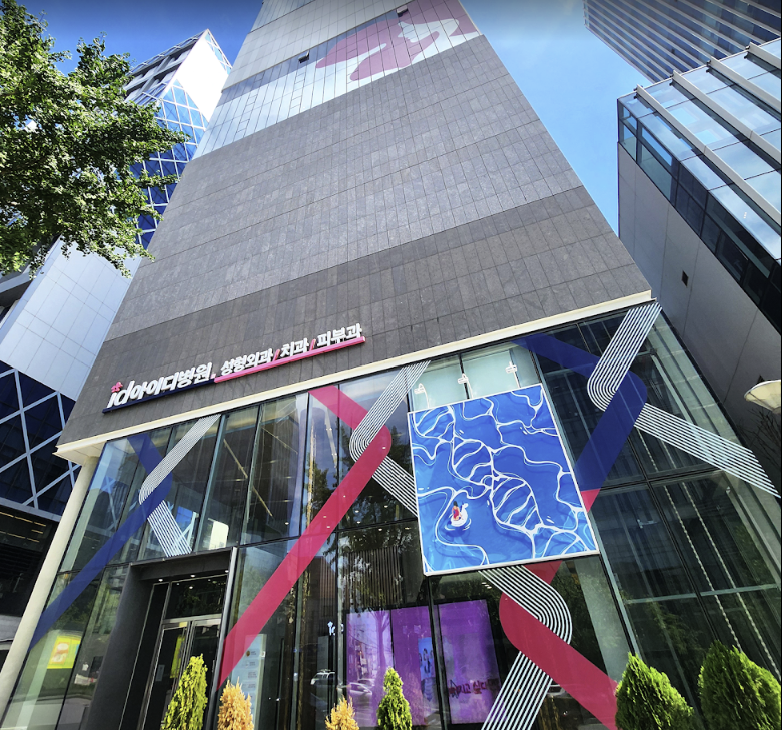
| Venue | ID Hospital 142 Dosan-daero, Gangnam-gu Seoul, Republic of Korea |
Training Program Overview
The ID Plastic Surgery Education Program is an advanced, immersive training course centered on three core surgical specialties: oculoplastic surgery, rhinoplasty, and facial bone contouring. Designed to deliver in-depth clinical insight, the program places participants directly within ID Hospital’s active surgical environment, allowing real-time exposure to high-volume, complex cases.
Each training day begins with a structured morning briefing, featuring a detailed review of scheduled surgical cases, clarification of operative goals, and discussion of key technical strategies. Participants are assigned to live surgery observation sessions or focused academic lectures, ensuring a clear understanding of surgical rationale before entering the operating room. Throughout the day, trainees engage in guided observation, specialized lectures, and interactive Q&A sessions that reinforce essential principles and address case-specific clinical questions.
Oculoplastic Surgery Module
The oculoplastic module offers comprehensive exposure to eyelid and periorbital procedures, covering both foundational and advanced techniques. Training topics include non-incisional and incisional upper eyelid surgery, ptosis correction, lower blepharoplasty, transconjunctival approaches, medial and lateral canthoplasty, CPF plication, and lower eyelid repositioning.
Participants gain a detailed understanding of periorbital anatomy, patient-specific indications, aesthetic design planning, step-by-step operative execution, and complication prevention. Emphasis is placed on achieving natural, stable outcomes while maintaining functional integrity.
Rhinoplasty Module
The rhinoplasty curriculum reflects ID Hospital’s philosophy of structural balance and functional optimization. Participants observe a broad range of procedures, including augmentation and reduction rhinoplasty, deviation correction, nasal airway improvement, various tip-plasty techniques, alar base reduction, cartilage grafting, anterior nasal spine (ANS) augmentation, and implant-assisted dorsal augmentation.
Exposure to both primary and revision cases highlights the nuanced decision-making required in complex nasal surgery. The program emphasizes precise graft handling, structural reinforcement, proportion-focused design, and techniques that support long-term stability and refined aesthetic outcomes.
Facial Bone Contouring Module
The facial bone contouring module delivers in-depth instruction in skeletal reshaping procedures essential for balanced facial proportions. Core cases include mandibular angle reduction, zygoma and malar reduction, chin genioplasty, and orthognathic surgery.
Participants study osteotomy design, dissection planes, fixation strategies, and soft-tissue adaptation following skeletal modification. The curriculum also addresses postoperative tissue behavior, facial harmony, and complication management, equipping surgeons to confidently manage both routine and complex contouring cases.
Program Structure & Educational Approach
This program integrates live surgical observation, structured academic lectures, and interactive clinical discussions, providing a comprehensive learning experience that strengthens anatomical understanding, technical skill, and clinical judgment. By observing ID Hospital’s standardized operative systems firsthand, participants gain practical insight aligned with global surgical standards.
Training schedules may be adjusted depending on hospital circumstances.
Eligibility & General Information
- Eligibility: Doctors, dentists, and nurses
- Training Hours: 10:00 – 18:00
- Lunch Break: 12:00 – 13:00
- Program Format: Theoretical lectures and practical training
- Schedule: Weekdays only
- Language: English
- Seats Available: 2 participants per course
Upcoming Dates
- March 10–12, 2026
Schedule subject to change based on hospital conditions.
Venue
ID Hospital
142 Dosan-daero, Gangnam-gu, Seoul, Republic of Korea